How Design Shapes Habits
As an interior designer, we’ll let you in on a secret: your home is quietly training you every day.
That chair you always dump clothes on? It was practically designed for chaos. The kitchen you avoid cooking in? Poor layout, not poor motivation. Good design doesn’t just look nice, it makes better habits feel effortless.
Lighting affects your energy (yes, that gloomy corner is draining you), layout controls how you move through your day, and smart storage can turn “I’ll organize later” into “wow, I actually put that away.” Even color plays a role, calming spaces help you slow down, while energizing ones keep you focused.
The goal isn’t perfection. It’s a home that works with you, not against you. When your space supports your routines, life feels easier, that’s good design doing its job.

The Furniture Effect
Ever notice how a perfectly placed couch can magically turn “I’ll just sit for five minutes” into a two-hour scrolling marathon? That’s not laziness, that’s good furniture placement. On the flip side, a dining table that isn’t buried under mail and mystery items might actually convince you to eat a proper meal instead of standing over the sink. Our goal working with clients is to access not only their style preferences but their daily lives and routines, to select furniture that helps facilitate their goals and help them stick to their routines.
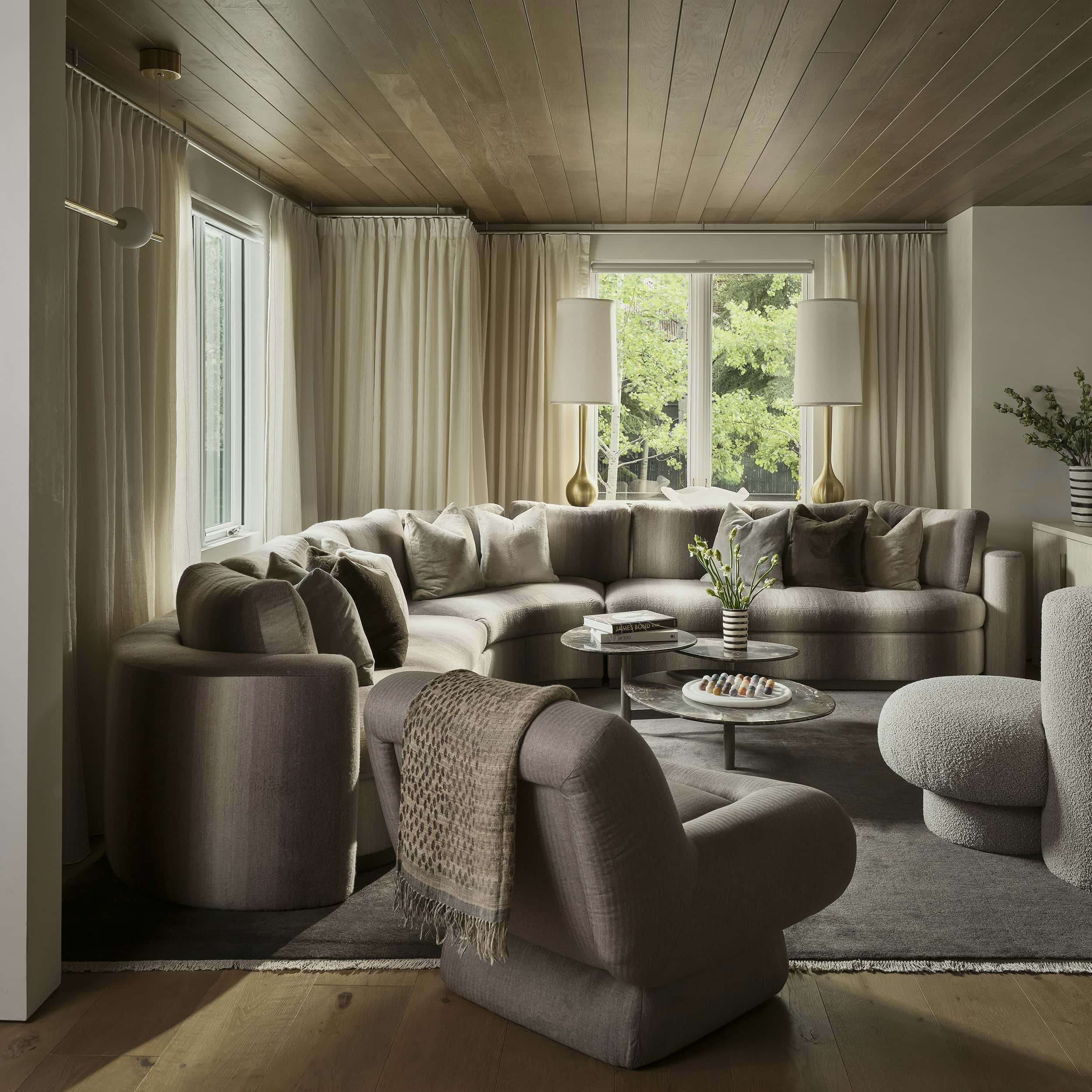
Lighting: The Mood Manager
Bright, natural light says, “Good morning! You are productive and hydrated!” Dim lighting says, “Cancel your plans. Become one with the blanket.” Interior design uses lighting to gently nudge your behavior, whether that’s focusing on work, winding down, or dramatically staring out the window like you’re in a movie. In our opinion, lighting is all about layering. Different lighting combinations to suite different activities and times of the day. Your bedroom lighting can help you wake up and get going in the morning and with a few adjustments, shift your space into a cozy haven, perfect for getting you ready for sleep.
Organization (or Lack of It)
Open shelving can inspire you to stay tidy… or publicly shame you for owning seven mismatched mugs. Smart storage solutions make good habits easier by reducing friction. When things have a place, you’re more likely to put them back. Storage, especially in kitchen designs is a huge part of our design process. We love to go over what specific items client’s use frequently and the sizing and weight of what they need to store in order to craft a space that will be the most useful for them. For example, a heavy KitchenAid mixer in a lower cabinet might deter one from baking due to lugging around it’s bulky size and heavy weight. But with an appliance garage, the mixer can live right on the countertop, ready for use, but also be tucked away from sight.

Color Psychology Is Real
Calming blues can slow you down, energizing yellows can pep you up, and that bold red accent wall might be the reason you talk with your hands so much. Colors subtly influence mood and energy, shaping how you move, work, and relax throughout the day.
Layout Shapes Movement
If your workspace is three steps from the snack drawer you might have inadvertently designed a grazing-friendly environment. Meanwhile, a well-zoned home encourages better habits, like separating “work brain” from “relax brain,” which is crucial when your office is also your living room.
Interior design isn’t just about looking good, it’s about living better (or at least being slightly more functional). From where you sit to how you sleep; your space quietly shapes your daily routines. So, if you want better habits, start with your surroundings. Or at the very least, stop blaming yourself and side-eye the furniture instead. Let us help you get started! Contact us to set up a consultation.