Countertop Guide
If you’ve ever renovated a kitchen or bathroom, you know one decision tends to stop homeowners in their tracks: choosing the countertop.
Suddenly you’re comparing quartz, marble, granite, porcelain, and materials you may have never even heard of before. Everyone seems to have an opinion (your contractor, your designer, your neighbor, and definitely the internet). But the truth is, the “best” countertop isn’t just about what looks beautiful in a showroom.
It’s about how you actually live in your home.
Do you cook every night? Do you want something completely maintenance-free? Do you love the natural patina that develops over time, or do you prefer a surface that always looks brand new?
As interior designers, we tell clients that countertops should be chosen just as much for lifestyle and function as for aesthetics. In this month’s blog we are walking you through the main countertop materials you will come across in your search, the pros and cons to each, and hopefully give you some insight into which material best suits your style and home.
Countertop Design Ideas for Every Home: Finding the Right Material for Your Space

Quartz is a man-made engineered stone, typically composed of 90–95% natural quartz mixed with binders and pigments. Suitable for kitchens and bathrooms.
Properties:
– Nonporous surface
– Scratch- and stain-resistant
– Many colors and patterns available
– Comparable in price to granite
– Fabricates similarly to natural stone
– Does not require sealing
Ideal for:
– Busy families
– Frequent cooks
– People who want low-maintenance surfaces
Because it doesn’t require sealing and resists staining, it’s one of the easiest countertop materials to live with. In addition, manufacturers can control the color and pattern allowing quartz to mimic marble, concrete, or stone, making it extremely versatile.
______________________________________________________________________________

Marble is often more suitable for bathrooms, though it can be used in kitchens with proper care.
Properties:
– Expensive natural stone
– Prone to scratches, stains, and etching
– Requires sealing
– Extremely elegant appearance
– Also prone to staining depending on the sealing
Best for:
– Light-use kitchens
– Baking enthusiasts (marble stays cool)
– Homeowners comfortable with maintenance
– Many people embrace the patina marble develops over time.
It remains one of the most timeless countertop materials.
______________________________________________________________________________
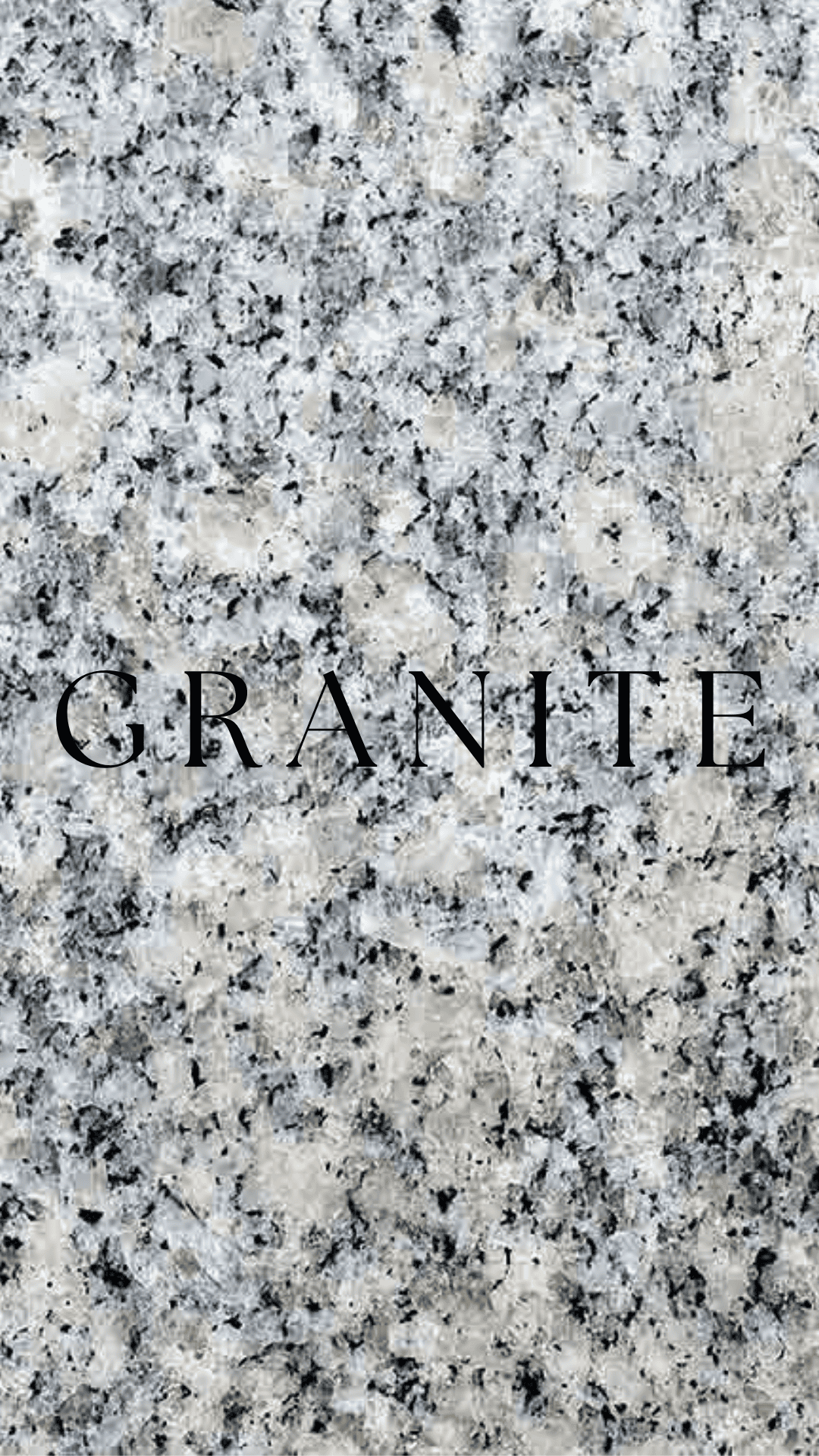
Granite is suitable for both kitchens and bathrooms and is a natural stone known for its durability and unique grain patterns.
Properties:
– Heat resistant
– Wide variety of colors and patterns
– Durable and long-lasting
– Price varies depending on rarity
– Requires sealing
Best for:
– Active kitchens
– Home cooks who use hot pans frequently
– Homeowners who appreciate natural materials
The natural movement and pattern of granite adds warmth and character.
______________________________________________________________________________
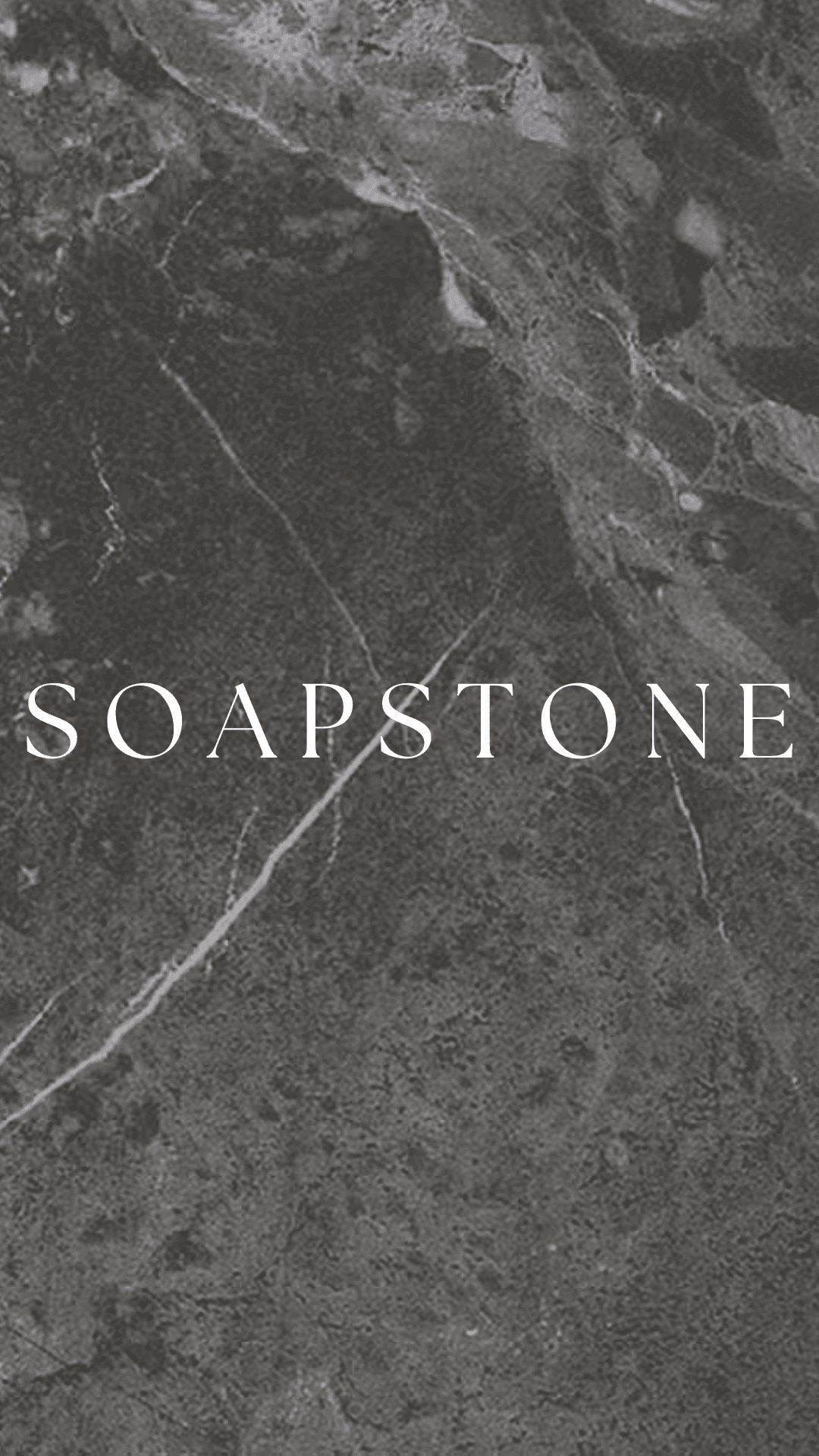
Soapstone can be used in kitchens and bathrooms.
Properties:
– Naturally dark gray
– Develops a patina over time
– Somewhat stain resistant
– Can crack
– Needs periodic oiling
Best for:
– Love a lived-in, evolving look
– Appreciate natural aging and patina
– Prefer softer, tactile materials
Best Design Styles:
– Farmhouse kitchens, Historic homes, Cottage-style interiors, Colonial or heritage designs
It’s especially popular in classic farmhouse kitchens.
______________________________________________________________________________
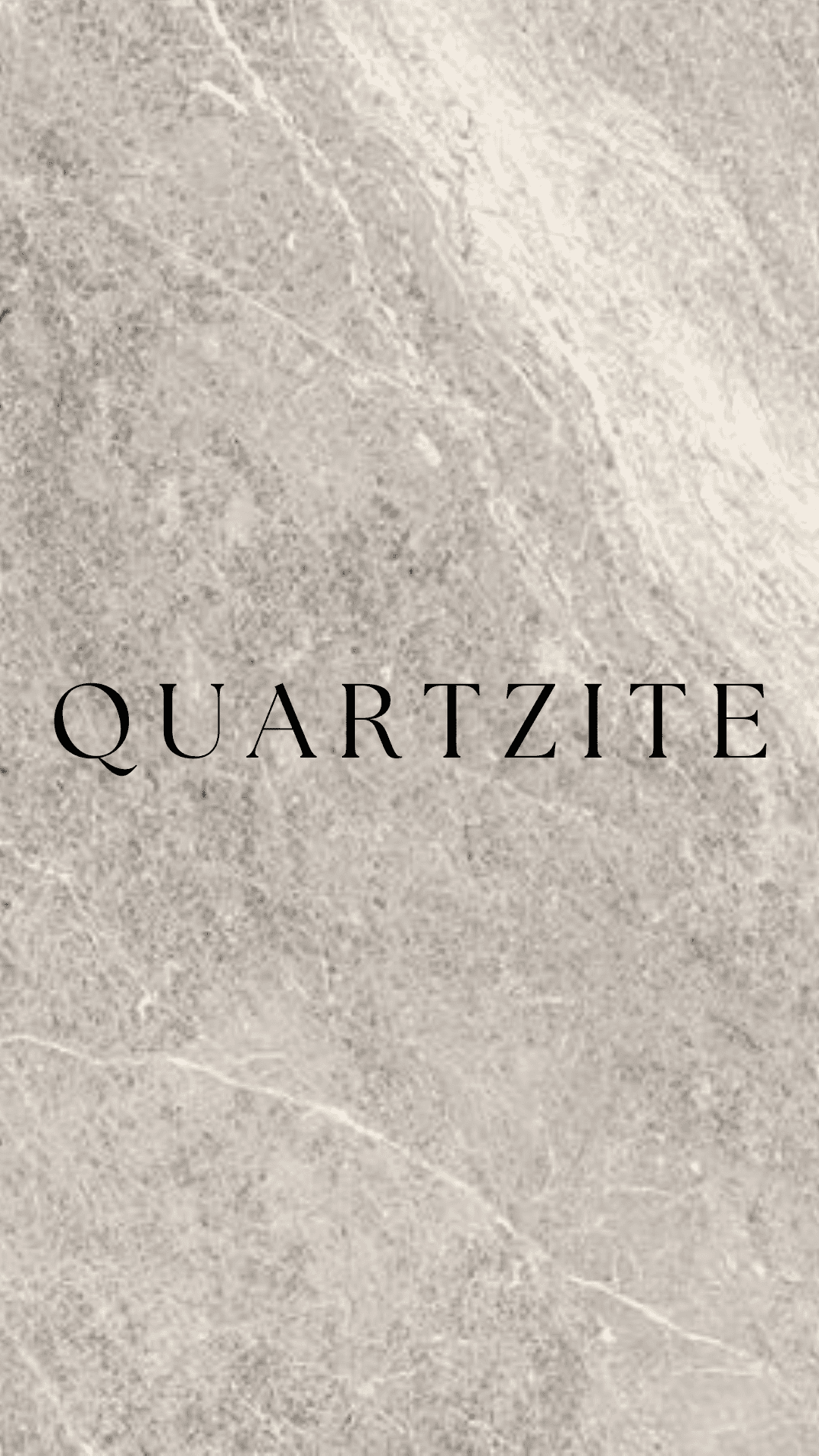
Quartzite works well in kitchens and bathrooms.
Properties:
– Formed from sandstone
– Looks similar to marble
– Hard like granite
– Needs sealing
– More difficult to fabricate, which can increase cost
Best for:
– The look of marble
– Greater durability
It’s a good compromise between beauty and performance as it provides dramatic natural veining with better durability.
______________________________________________________________________________
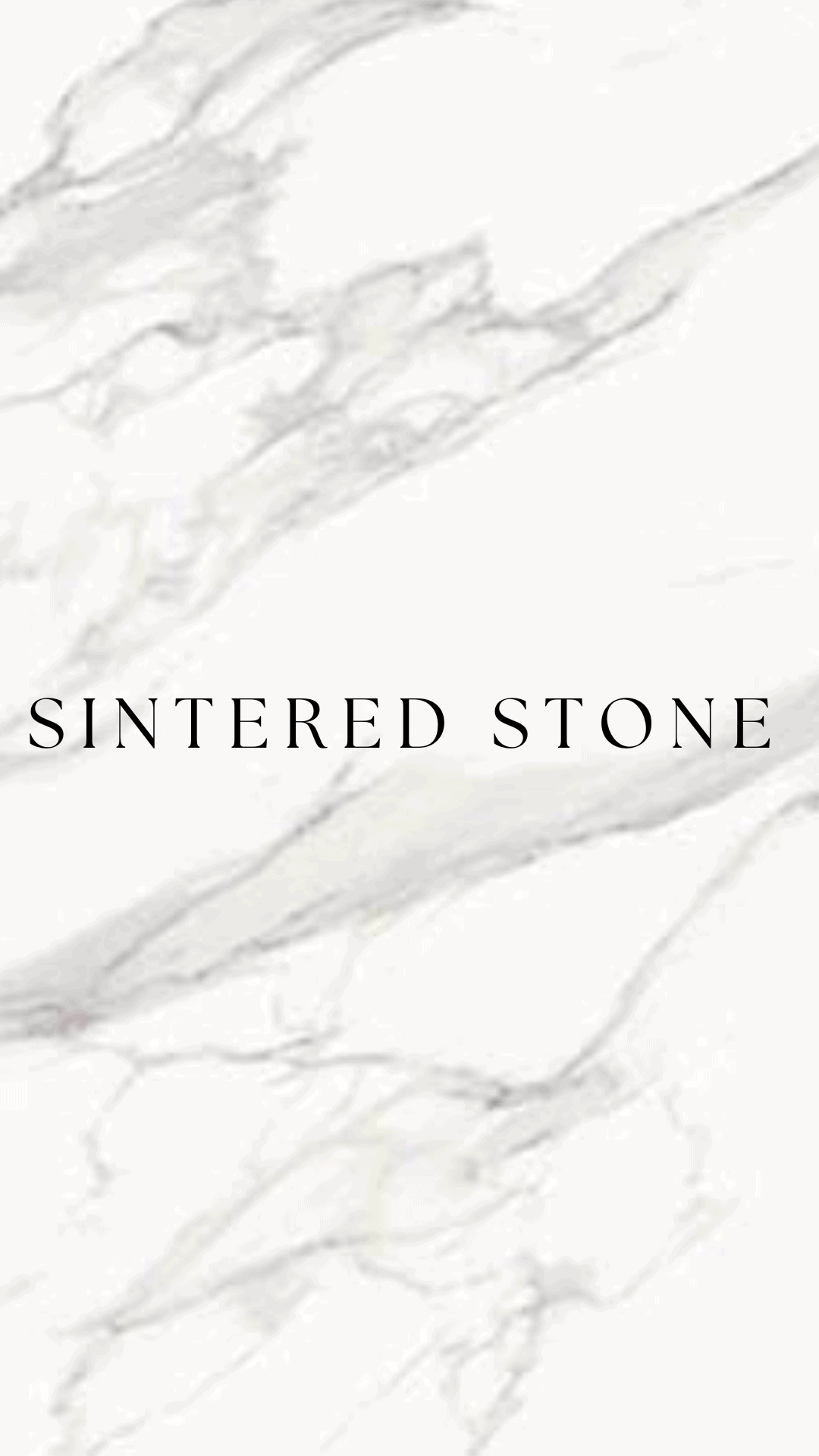
Large format porcelain slabs are made primarily from clays and suitable for kitchens and bathrooms and use proprietary blends of quartz, porcelain, and glass.
Sintering is the process of compacting materials with heat and pressure without fully melting them.
Pros:
– Harder than stone or quartz
– Heat-, stain-, scratch-, etch-, and impact-resistant
– Nonporous
– UV-resistant (can be used outdoors)
– Suitable for countertops, walls, flooring, and exterior cladding
Ideal for:
– Serious cooks
– Outdoor kitchens
– Low-maintenance households
– Families that need extremely durable materials
Their large seamless slabs create a clean, architectural aesthetic.
______________________________________________________________________________
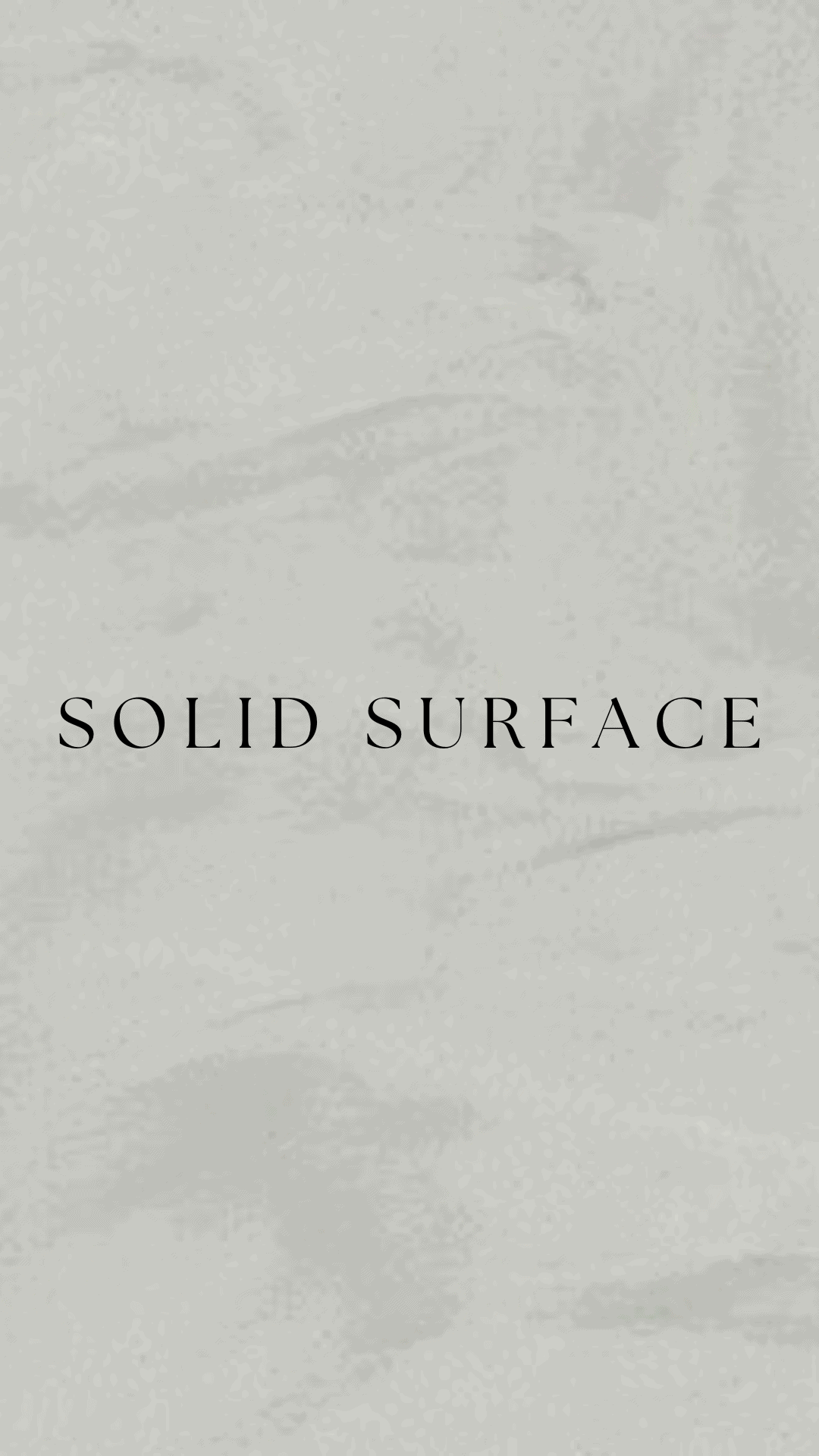
Suitable for kitchens and bathrooms.
Properties:
– Man-made material
– Less expensive than many stone options
– Seamless appearance
– Can integrate sinks
– Can be repaired and re-polished
– Sensitive to heat
Ideal For:
– Families wanting seamless countertops
– Bathrooms and laundry rooms
– Spaces where integrated sinks are beneficial
The seamless look feels clean and modern.
______________________________________________________________________________

Used in kitchens and bathrooms.
Properties:
– Low-cost option
– Plastic-coated synthetic material
– Available in many colors and patterns
– Can scratch or chip
– Damage usually cannot be repaired
– Undermount sinks are typically difficult, though some newer systems allow them.
Ideal for:
– Budget renovations
– Rental properties
– Starter homes
Modern laminates can convincingly mimic stone or wood.
______________________________________________________________________________
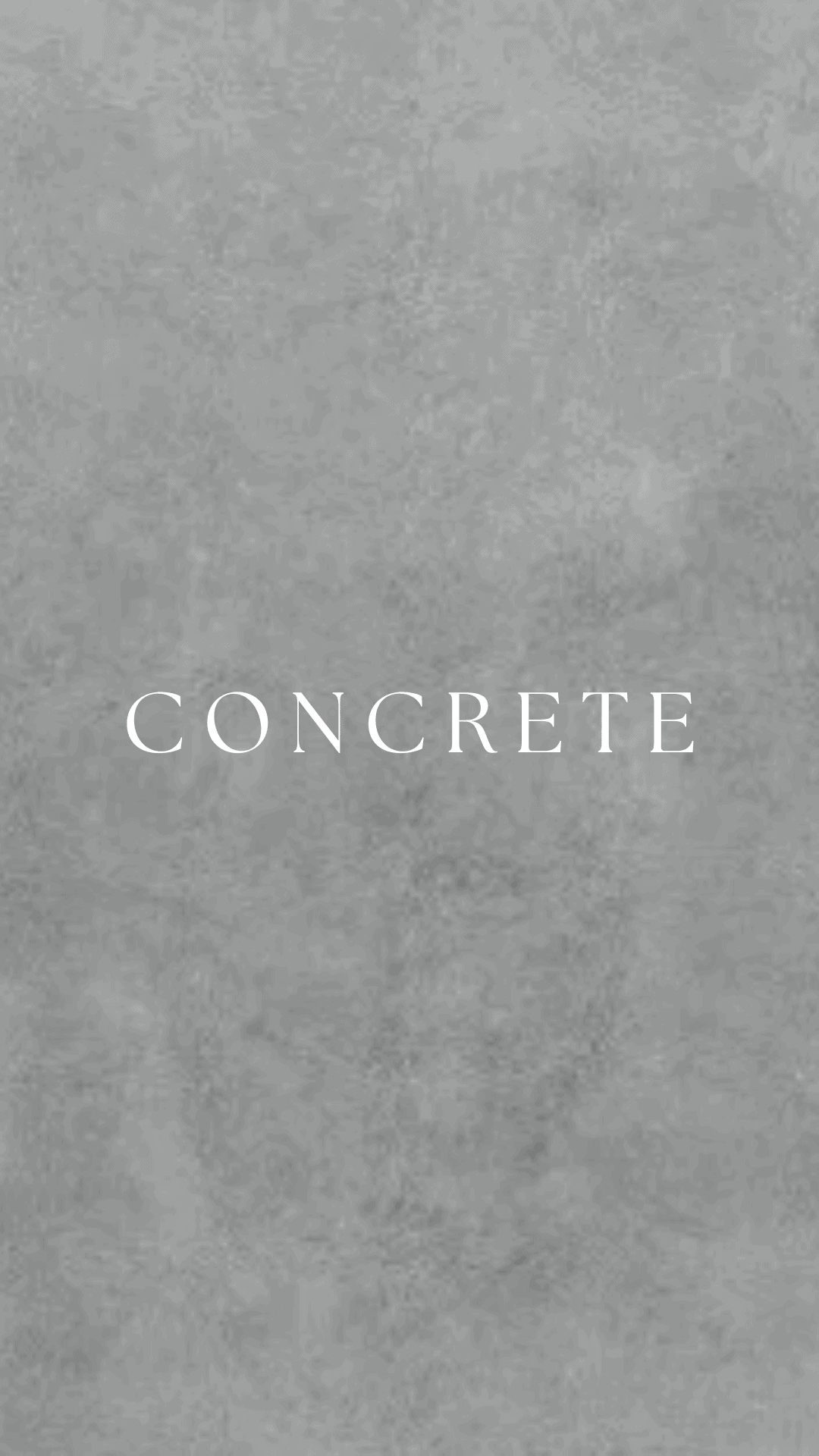
Concrete can be used in kitchens and bathrooms.
Properties:
– Unique handcrafted appearance
– Porous and prone to staining
– Can be stained different colors
– Heat- and scratch-resistant
– Often includes integrated sinks
– Environmentally friendly
Ideal for:
– Want a custom, one-of-a-kind look
– Like industrial or artisan aesthetics
– However, it requires sealing and maintenance.
Concrete adds an architectural, sculptural quality.
______________________________________________________________________________
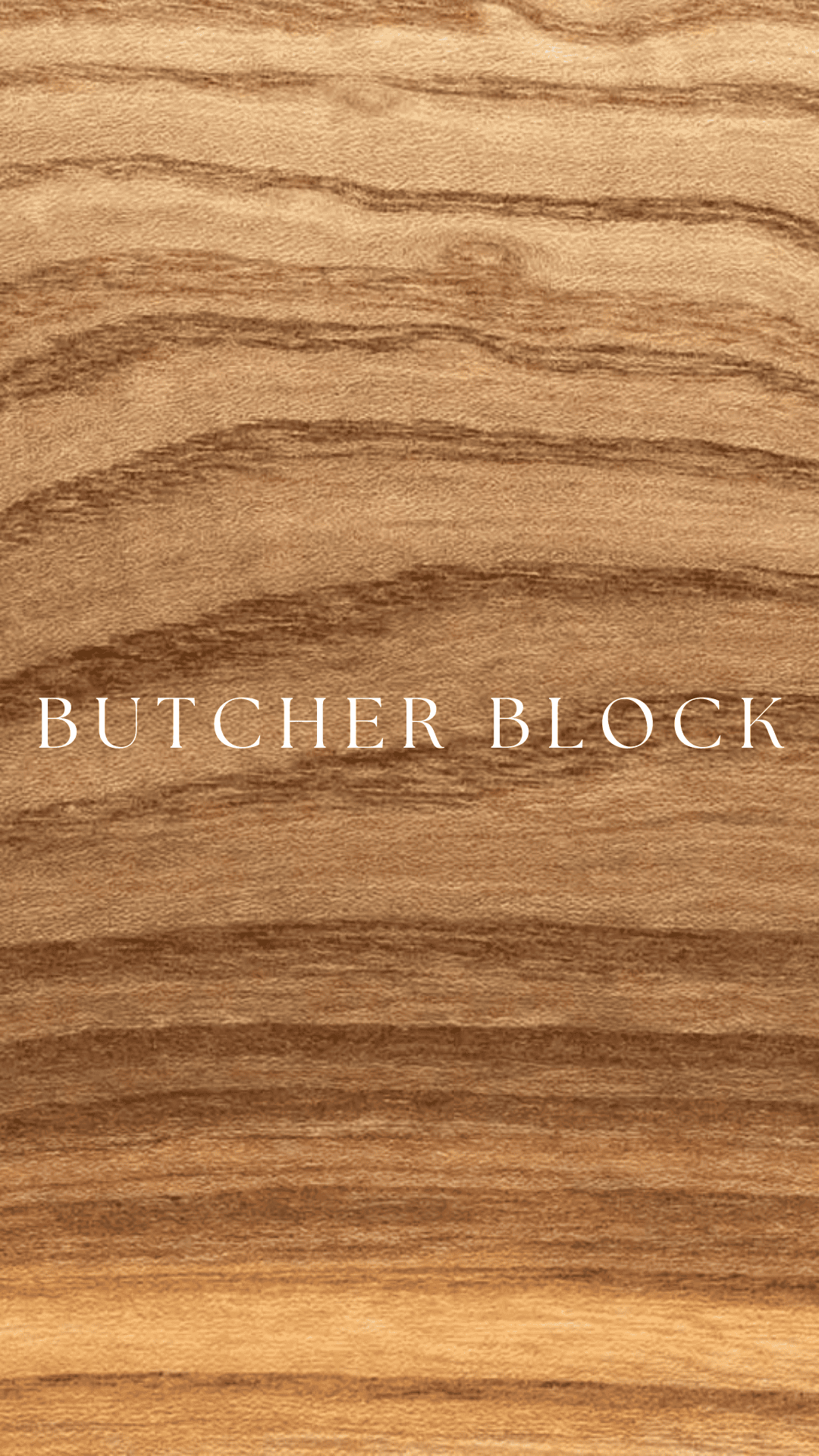
Best suited for kitchens, though less ideal around sinks.
Properties:
– Made from woods such as maple or oak
– Environmentally friendly option
– Scratches easily but can be refinished
– Sensitive to water
– Requires sealing or oiling
Ideal for:
– Home cooks who enjoy food prep
– People who appreciate warm natural materials
– They’re great for islands or baking areas.
It adds warmth that many stone surfaces lack.
______________________________________________________________________________

Suitable for kitchens and bathrooms, though most common in kitchens.
Properties:
– Nonporous
– Heat, stain, and rust resistant
– Scratches and dents easily
– Shows fingerprints
– Can be noisy
– Available finishes include brushed, satin, mirror polish, antique matte, and blackened steel.
Ideal for:
– Serious home chefs
– People who prioritize sanitation and durability
– Commercial-style kitchens
The best countertop choice is always a balance of aesthetics, durability, and lifestyle. What works beautifully in one home might not be the right fit for another. At Inside Stories, we want to help you the time to understand the strengths and maintenance needs of each material will help you choose a surface that not only looks great, but also supports the way you live in your space every day. Ready to start your next project? Contact us!